

What if the time had come for a half bottle of wine? The 0.375-liter one? A demi-bouteille format. I already know the answer I’d get from restaurateurs: no! It’s too expensive compared to the standard one, no one orders it, there’s not enough choice on the market, etc. There are many commercial objections, but we’re going through a period in which we need to have the courage to make changes.
There’s no one-size-fits-all cure-all, doctors know this well. A demi-bouteille isn’t a panacea, but how many problems could it unravel? Let’s just think for a moment about tables for two, the classic couple. The most common choice these days is either water or a glass of wine. The doubt always arises from the state of preservation of the bottles of wine served by the glass. How many times have we received acetate potions? Opened days in advance? Better to open a new bottle live, even if it’s a small one. Consider also the large tables, where the dishes ordered are often varied, but often only one type of wine is chosen by the connoisseur on duty. Doesn’t this ruin the dining experience when the contrast between wine and food is obvious? Better then to consider choosing multiple wine styles, where a small bottle would ensure a fair amount of consumption.
From an economic standpoint, the mathematical law of price divided by two doesn’t apply. That is, if a standard bottle costs 10, a half bottle can’t cost 5. The cost of the container must be considered for such a small bottle, but it would certainly offer a very attractive price/utility ratio. Wine culture is becoming increasingly entrenched, which necessarily requires a rethinking of health and safety issues on the streets. These are not concepts that work against quality wine; a half bottle is a connecting element.
Perfect for those who want to enjoy a good wine without the risk of waste, the demi-bottle is the ideal ally for intimate occasions or simply for those who want a glass without having to uncork a whole bottle. Furthermore, it allows you to explore more varieties without committing to excessive quantities, making it easy to choose different wines throughout an evening.
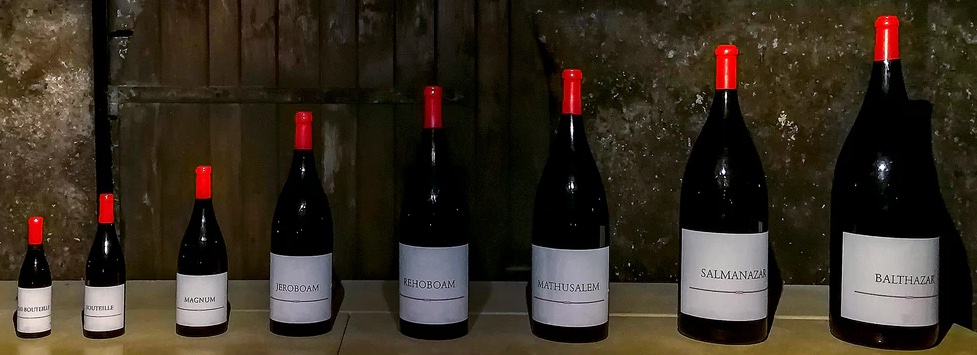
Not just convenience, but also quality. Many producers offer half-bottles for their most prized vintages, thus allowing a wider audience to access excellent wines at a more affordable price. I remember a few years ago, a large movement of Champagne half-bottle collectors emerged…
Furthermore, the demi-bottle is often a perfect option for tastings, allowing sommeliers to offer smaller portions without sacrificing the full experience. And while the smaller format was once associated primarily with sweet or dessert wines, today it could become a possible solution to a greater focus on quantity, a versatile choice that encompasses whites, reds, rosés, and sparkling wines.
Ultimately, the half-bottle is an elegant and functional option for those seeking convenience without sacrificing the pleasure of good wine. A small but significant revolution in the way we drink and enjoy wine, one that deserves attention from consumers as well as, especially, restaurateurs and producers.
More courage!
Valentino Tesi
(March 2025)


