

I remember that during my studies for sommelier competitions, I used to read the history of vintage quality in individual regions, often consulting the official websites of organizations and others. Ratings are often assigned with stars, with 5 being the maximum. What was immediately apparent to me was the extreme variability of vintages, alternating between memorable harvests and disastrous ones. This was true until about fifteen years ago, but then a qualitative upsurge accompanied by extreme consistency began. It’s natural to ask: is all this credible? The weather patterns of the seasons are there for all to see, so how spring or summer unfolded is not debatable. What is surprising, however, is that despite the less than stellar weather patterns for viticulture, press releases regarding the vintage’s quality forecasts are almost always enthusiastic.
The wine enthusiast dislikes deception; on the contrary, he or she is fascinated by the differences between vintages. Wine is a living product, tied to Nature and its whims; its quality cannot be identical every year. Consistency and transparency pay off over the long term.
Fortunately, there are enlightened producers who, despite official announcements, acknowledge difficult harvests and inform the market that their flagship wines will not be produced that year and will be included in the entry-level range. This is called seriousness and credibility; wine lovers are grateful. Among other things, it is precisely from bizarre weather patterns that legendary wines were born, such as the 2005 Soldera Pegasos, or the Montevertine Ottontanove and Novantuno. Furthermore, in unfortunate years, we will have base wines brimming with golden grapes, conceived for other bottles and therefore offering incredible value for money.
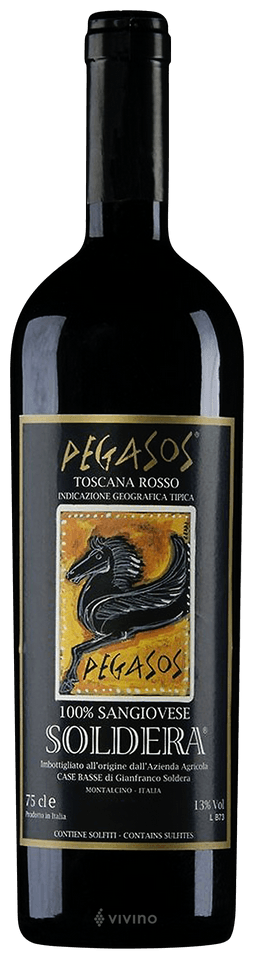
To assume that even in the face of tragic vintages, top-quality wines can still be produced is a kind of deception. It’s to consider an entire seasonal trend superfluous, to consider wine lovers a bit foolish and amateurish, and to refuse to forgo immediate revenue without considering the potential damage that could result in the future. For this reason, we must increasingly trust our own senses, for autonomous and independent organoleptic analyses, perhaps supported by professional courses. The historical memory of wines is also important, and participation in vertical tastings is fundamental.
I’ll conclude with a fitting proverb: “Don’t believe four things: winter sun, summer clouds, a woman’s love, and a friar’s discretion.” I’d add the fifth: press releases on the vintage’s quality forecasts.
Valentino Tesi
(August 2023)


