
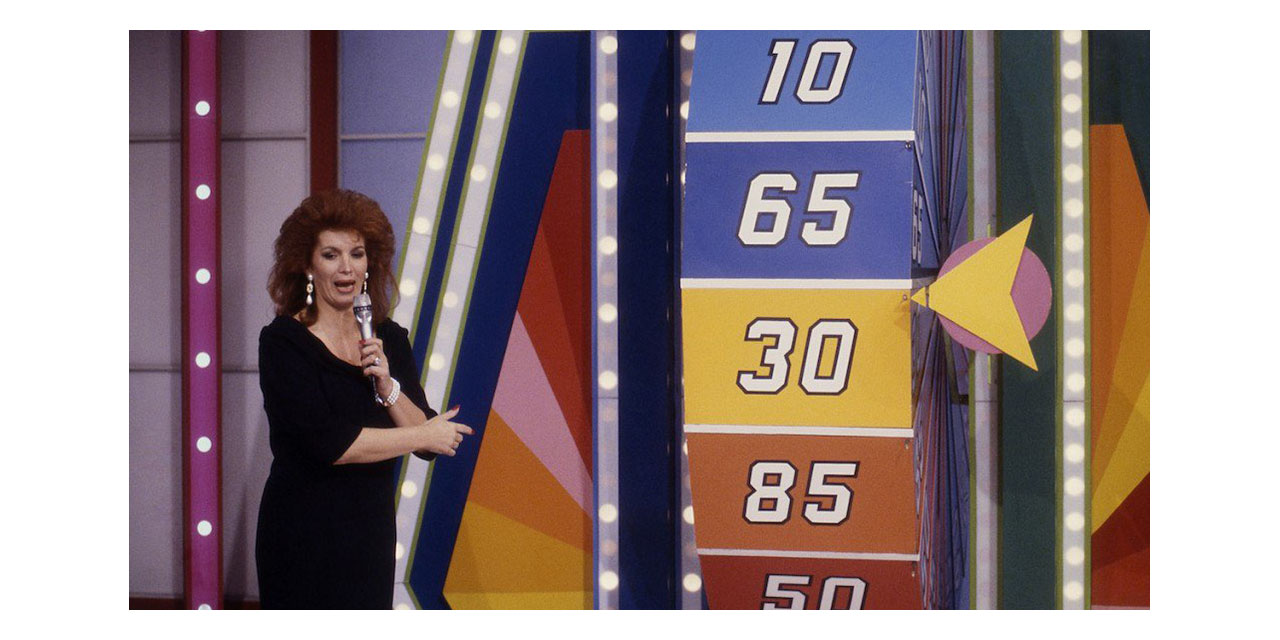
One hundred, one hundred, one hundred, chanted the audience of “Ok the Price is Right,” where national VAT accompanied the various contestants on the wheel of fortune. The same voices likely often resonate in the minds of many wine critics who bestow perfect scores on numerous wines from various corners of the world.
Once upon a time, there was Robert Parker and his Wine Advocate, who revolutionized wine marketing for many labels by scoring wines in hundredths. He was the first true influencer when this concept wasn’t as widespread as it is today. His judgment had, and still has, the power to increase the price of a bottle.

Indeed, a score, like a grade in school, provides a scale of quality in an extremely concise and therefore accessible manner. Faced with thousands of labels, consumers need a quick, precise compass to guide their choices.
Assigning a score can also have the noble function of introducing previously unknown wines to the masses. This pathology lies in the creation of mysterious, niche, almost fairytale-like products. Their lack of awareness, novelty, and rarity, combined with the price tag, have created a rush to purchase them, driving up their prices dramatically. See the classic example of Screaming Eagle.

Today, the score has become a synthetic indicator for navigating the market jungle, a beacon for the consumer, who can express the full quality of a bottle in a single, cold number—obviously only when this score is assigned by qualified associations like the AIS or by gurus like James Suckling, Robert Parker, Wine Spectator, and Decanter above all. In my opinion, however, we should never lose sight of what a score etymologically is: a measurement, not a marketing tool. We all had the experience of school: good grades ranged from 7 to 9, since 10 was an abstract entity, perfection, which by definition does not exist. I fondly remember my legendary English teacher in high school, who had the habit of assigning a 7 to a test without errors. “I only gave an 8 once to a native speaker, and a 9 I don’t even know how it’s written,” was one of her funniest comments. Even without such rigor and severity, honestly, when a wine just released onto the market is awarded a 100/100, I turn up my nose. A bottle that is already perfect at the start, at the highest levels, will not improve even a single point even after a few years in the bottle. I imagine the great Barolos, Barbarescos, Brunellos, Chianti Classicos, and Bolgheris already expressing their best qualities as young wines. To me, it’s a stretch, an attempt to emphasize that this wine was born as a great wine and will remain so for centuries to come. Okay, I understand, but the score must remain within the realms of credibility and the logical paths used to get there.
The solution is just around the corner: increase your wine culture with a good course, train your senses, and trust your palate. Only then will we be “free enthusiasts in free wine,” so sure of ourselves that we can provocatively go further and award 101s!
Final note: the grades we’ve been accustomed to since childhood are those we get at school, so why not apply the same standard to wine?
10 cum laude: excellent
10: excellent
9: distinguished
8: good
7: fair
6: satisfactory
Then there’s the extraordinary: the outstanding, the specialty, the pinnacle, the thrilling.
Valentino Tesi
(June 2023)


