
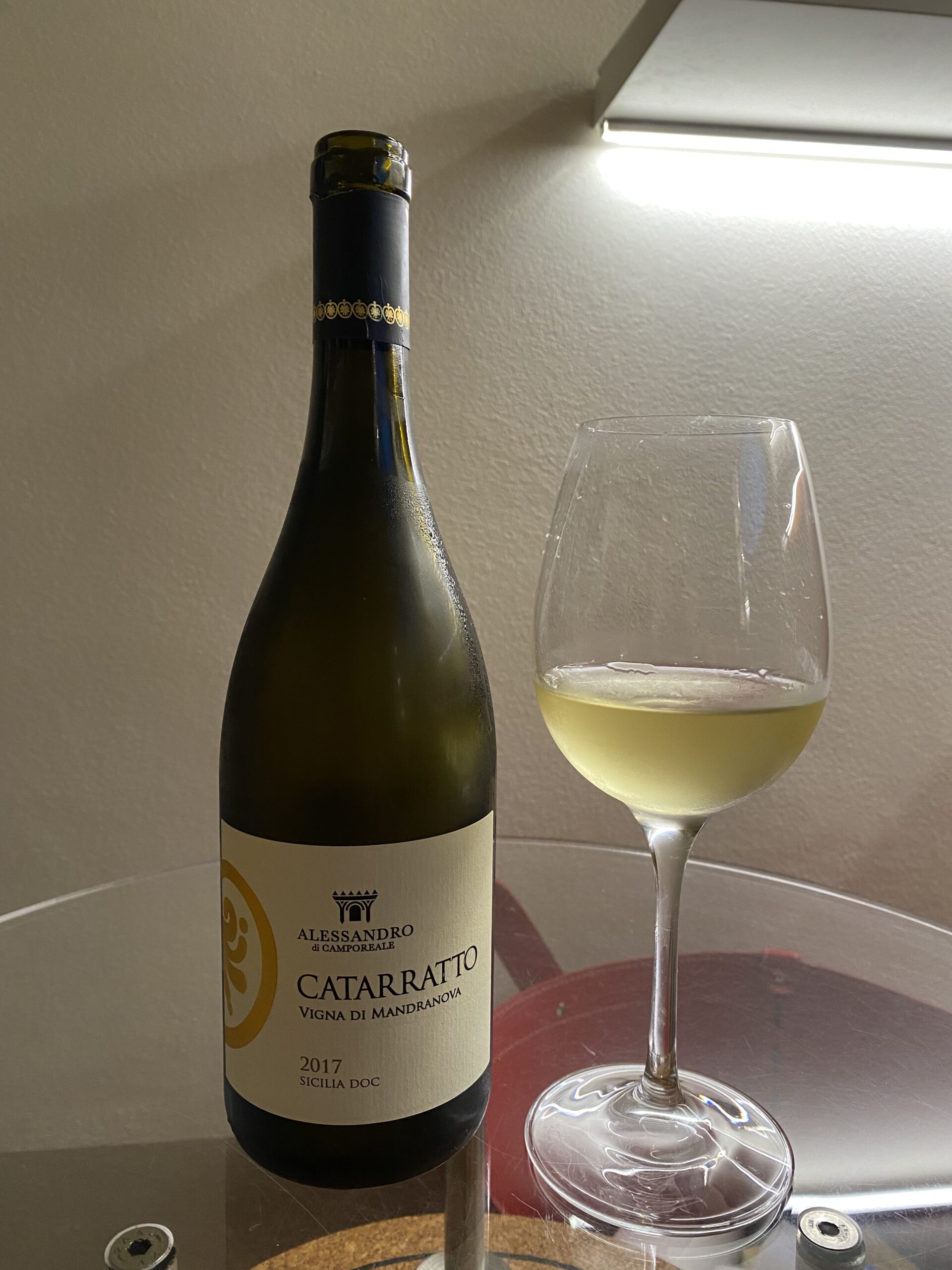
One of the most reviled grape varieties in Sicily is Catarratto. The dialect term itself, which evokes abundance and vigor, doesn’t help matters. The wines often lack quality.
The average consumer has probably never tasted a bottle, or worse, has gotten the wrong idea, perhaps from some touristy version of Bianco d’Alcamo.
Sicily is a mosaic of diverse landscapes, where everything is connected by the presence of the sea. In the Palermo hinterland, in the Monreale appellation, there is an area highly suited to agriculture and viticulture, Camporeale, with vineyards reaching up to 450 meters above sea level. Founded by the ancient Greeks and developed under Arab rule, man has always found good fruit in these lands. Camporeale is making a name for itself with Syrah, considered almost indigenous here, but it was the Catarratto from the Alessandro di Camporeale winery that amazed me.
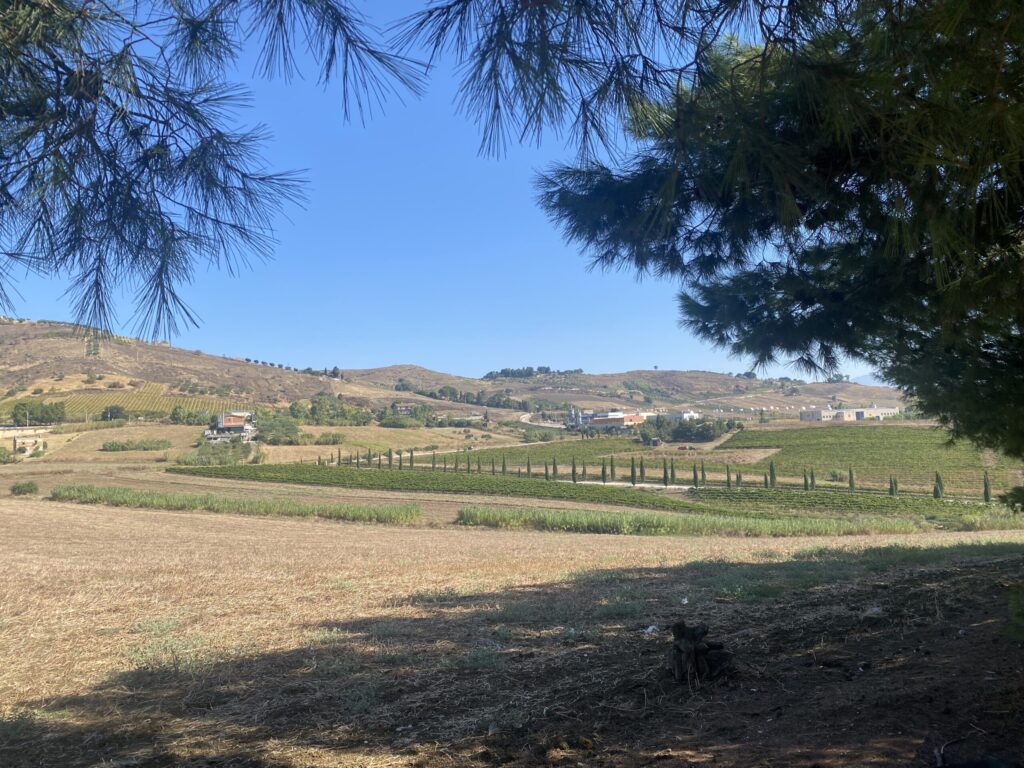
This grape, historically used in the Marsala area to create the famous fortified wine of that area, is widespread throughout the island, although its dry, pure version finds its ideal location in the Palermo area. The Catarratto with the largest hectares is the Comune clone; Alessandro di Camporeale uses the niche Extra Lucido. The grapes from the ancient Mandranova vineyard are of great value.
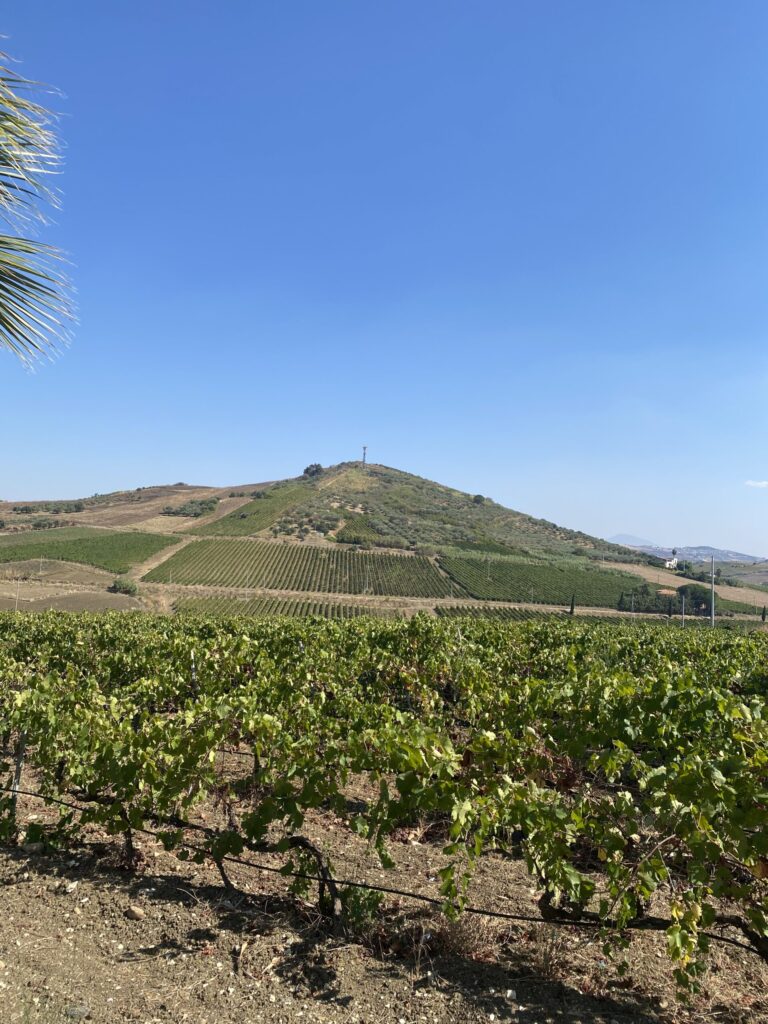
Perhaps this grape really needs the Sicilian hinterland to find its substance, it needs those temperature swings while still breathing the sea, which give it character, lively yet material. In the 2017 vintage, the gold reverberates in the glass, the color of the scorched fields around the vineyards, emanating rays of light from every direction. The aromas are intoxicating, those that evoke Trinacria: orange blossom, ripe grapefruit, marzipan. A balanced sip, with the salt that constantly pricks, flavoring and seasoning. Very long, rating: distinguished (9).
Drinking it, the words of Johnny Stecchino’s legendary lawyer resonate in my mind, “the sun, the sea…”.
This is the Sicily we want, the one that interprets the territory, that enhances the Mediterranean scrub, the aridity, the concentration, the flavor in the wine. Sipping this Carricante evokes the region sung by Quasimodo: warm, authentic, and wild, yet delicately refined.
Tasted in September 2023.
Valentino Tesi


